15 Years – 15 Stories of Belonging: Great Mates – Young Men Empowered
Building Resilience, Confidence and Community
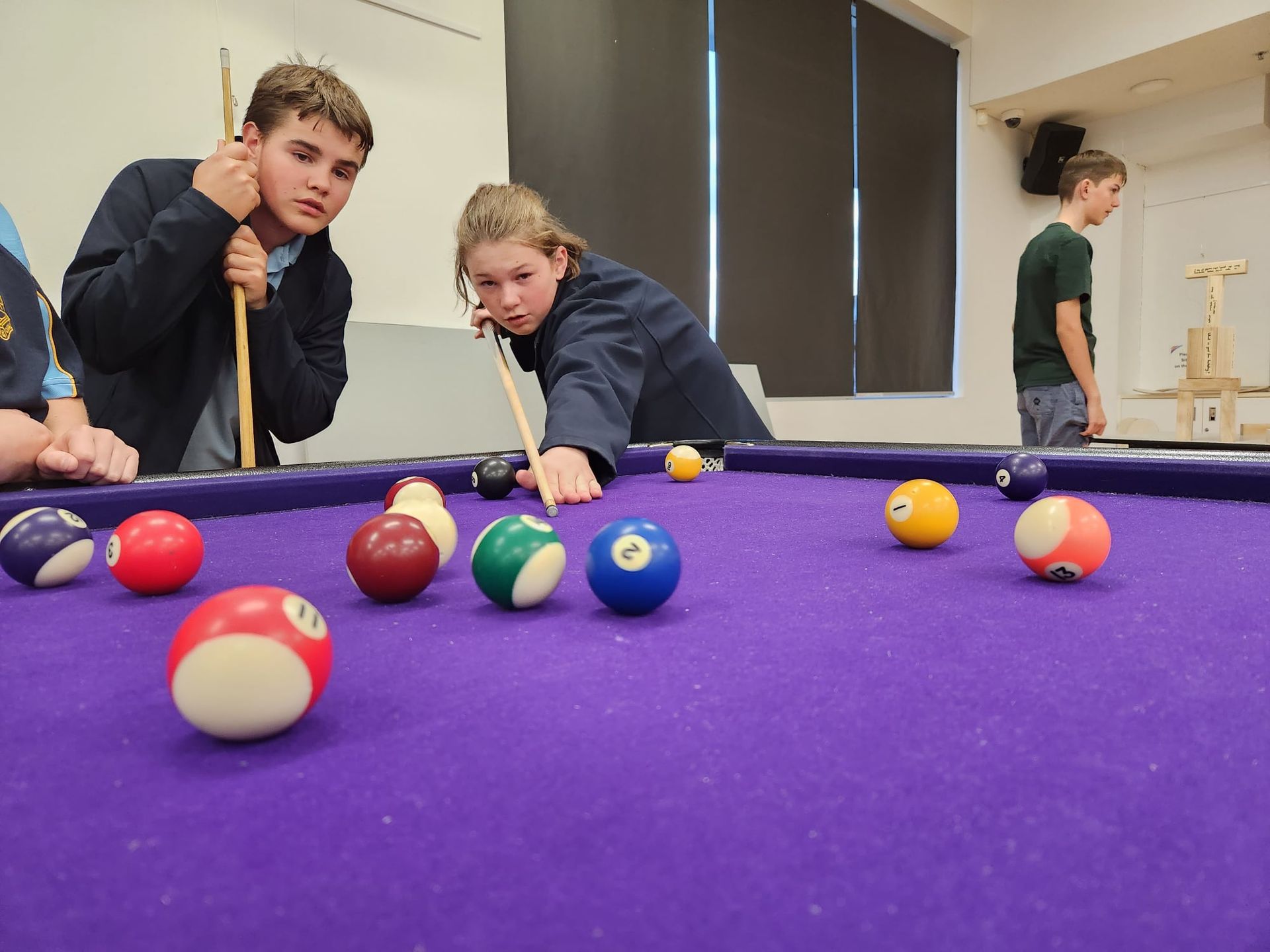
“Showing emotions is strength. It shows you can communicate how you feel.”
For many people, hearing a teenage boy say these words would be unexpected. In a world where traditional ideas of masculinity often teach young men to hide emotions and “toughen up,” statements like this represent something powerful — a shift towards emotional awareness, confidence and connection.
At The Place, creating safe and inclusive spaces where people feel they belong is at the heart of everything we do. Programs like Great Mates – Young Men Empowered are a reflection of that commitment — building community, encouraging personal growth and empowering young people to thrive.
From January 2023 to March 2025, Great Mates – Young Men Empowered provided young men aged 12–16 with a safe, welcoming space to connect, reflect and grow. Delivered in collaboration with Well Education and funded by the NSW Government, the program went beyond traditional youth wellbeing initiatives by creating genuine opportunities for honest conversations, shared experiences and meaningful connection.
Over six 8-week terms and two follow-up events, participants explored topics that are often left out of conversations with young men, including emotional awareness, confidence, self-worth, relationships, coping strategies, masculinity and societal expectations.
In a supportive group environment, participants were encouraged to challenge outdated ideas around masculinity and redefine strength as emotional intelligence, self-awareness and communication — not silence or suppression. The impact of these conversations was profound.
“Talking to my family helped me process it.”
“I ask for help all the time when I’m struggling.”
“Taking a deep breath allows our brain to reset.”
These reflections from participants demonstrate the lasting influence the program had on the young men involved. Great Mates became more than just a wellbeing program — it became a community where young men felt heard, valued and supported.
What made the program especially unique was its balance of engaging activities and open discussion. Each session combined hands-on experiences, from boxing sessions to reptile encounters, with shared meals and guided conversations led by Well Education’s Laura Collison.
These experiences helped participants build friendships, trust and social confidence in a relaxed and inclusive environment. One participant summed up the feeling perfectly: “I LOVE THIS PLACE!”
The measurable outcomes of Great Mates – Young Men Empowered reinforced just how impactful these spaces can be.
Participants reported:
- A 7.75% increase in conflict management skills
- A 5.4% increase in emotional awareness
- A 4.6% increase in controlling negative thoughts
- 95% learned new emotional skills
- 93% learned new coping strategies
- 91% gained a deeper understanding of themselves
Parents also noticed meaningful changes at home.
“Instead of getting angry, my son now takes five minutes to cool off before talking things through.”
“His friend got into trouble at school, and he was able to teach him about consent and respect.”
“He has never been this excited about learning.”
Even months after the program ended, many participants continued to report improvements in emotional awareness and confidence, highlighting the lasting legacy of the program.
Across its six rounds, Great Mates welcomed 87 registrations and supported 70 unique participants, primarily aged 12–14. Most importantly, it created a strong sense of connection and belonging for young men who may not otherwise have had access to spaces like this. While the program has now concluded following the completion of funding, its impact will continue to be felt throughout the community.
Programs like Great Mates demonstrate the importance of investing in safe, community-led spaces where young people can feel empowered to be themselves, challenge harmful stereotypes and build healthier futures.
At The Place, we remain committed to creating welcoming environments where transformative programs like this can flourish — because stronger communities begin with connection, belonging and support.